Featured

Table of Contents
One method to get going toward your financial goal is by challenging yourself and gamifying your cost savings. Here are 10 savings challenges to try in 2026. The 52-week cash difficulty works like this: Start by depositing $1 in week one, $2 in week two, $3 in week 3 and so on.
What Every Regional Borrower Needs to Learn About ReportsThe reverse challenge works similar method, other than you begin by conserving $52 in week one, $51 in week 2, and reduction by $1 weekly. You'll have the same quantity conserved by the end of the obstacle. Make Money Faster Discover a high-yield savings account with today's APY.
This is a more aggressive spin on the above 52-week difficulty that may work much better for you if you make money every other week. You'll start by saving $3 in week one, and then increasing the dollar amount you save by $3 each week. You'll save $6 in week 2, $9 in week 3, then $12, $15 and so on.
The most you'll ever transfer in a week will be $75, and you're only making a deposit on each payday. That can make this obstacle more attainable. The no-spend conserving difficulty is highly personalized, but here's the essence of it. You'll turn conserving into a video game by setting tight limitations on all the costs you do, limiting yourself to only basic requirements: real estate, expenses and groceries.
Expert Tips for Restore Low Scores in 2026
Pocket the money you save and direct it towards constructing long-term financial stability. If you feel determined, you could push yourself for a week.
For this obstacle, execute a round-up rule. Anytime you make a purchase, round up to the closest dollar and pocket the change. For instance, if you spend $28.57 at the store, the distinction is 43 cents. Keep a tally of your change throughout the day or week and then transfer that money over to savings, if you're utilizing cards for payment.
It may not appear like $1 a day is a lot, but it gets you to $365 by the end of the yeara decent sum that you could funnel into your emergency fund, usage for vacation shopping or direct toward another long-lasting goal, such as conserving for a down payment on a house.
Think about finishing this obstacle in tandem with another obstacle to boost your successes. With subscription services as popular as they are these days, it's most likely that you have numerous recurring monthly charges that you're paying without even thinking of it. Streaming services, news platforms, membership boxes, food delivery service membershipsall these fairly little charges build up.
Why Nonprofit Credit Counseling Helps for 2026
From there, objective to cancel as numerous as you can. Concentrate on the discretionary services you can live without. You most likely can't cancel your internet service, for instance. If you have numerous streaming services, at least a couple can likely go without having much impact on your life. From there, tally up your month-to-month cost savings.
Have you thought about that executing minimalist practices could benefit your financial resources, however aren't sure if you can completely hack the minimalist lifestyle? Then attempt going minimalist for a weekor even a monthwith a cash minimalism challenge. The key to the challenge is living just, lowering your spending to only purchase what you require or genuinely love.
That might imply cooking more at home or going to a complimentary concert instead of paying for entertainment. It might likewise suggest finding things you do require, such as clothing or bakeware, pre-owned or through a Buy Absolutely nothing group. Money errors happen. What if every time you made an impulse purchase, went off spending plan or otherwise made a cash move you swore you would not, you put a dollar in the cash error jar? The challenge is easy.
If, in a moment of impulse, you did some online shopping that wasn't allocated for, toss a dollar in the jar. A dollar here and there will not balance out the damage that regularly going off budget plan can do to your checking account, but it might assist you strengthen excellent cash practices and conserve a bit at the same time.
This cash challenge has you slash your dining out budget entirely and then put the money you would've invested into savings. Consider beginning your challenge little with a weekend or week. Last, transfer whatever money you normally invest on dining in a week into a savings account.
In that case, attempt zeroing in on another typical habit: getting a morning cup of coffee at a cafe. It's a little practice, however it can accumulate. The average cup of coffee may cost $3.37 and a latte may average around $5.60, according to information from Toast. If you get a beverage out five days a week, that adds up to about $876 annually for a cup of coffee or $1,456 per year if a latte is your drink of option.
That comes out to about 37 cents a cup. Compared to getting your morning coffee on the go, that's a pretty excellent deal.
Proven Tips for Saving More Money in 2026
Whichever challenge you tryor if you choose to combine challenges to up your savings even moreknow where to stash your funds. Beyond completing an obstacle, consider other monetary relocations you might make to construct your savings up this year.
Please contact our support team for further assistance. * If you're the owner of this site and have concerns, reach out to Bluehost. We enjoy to assist.
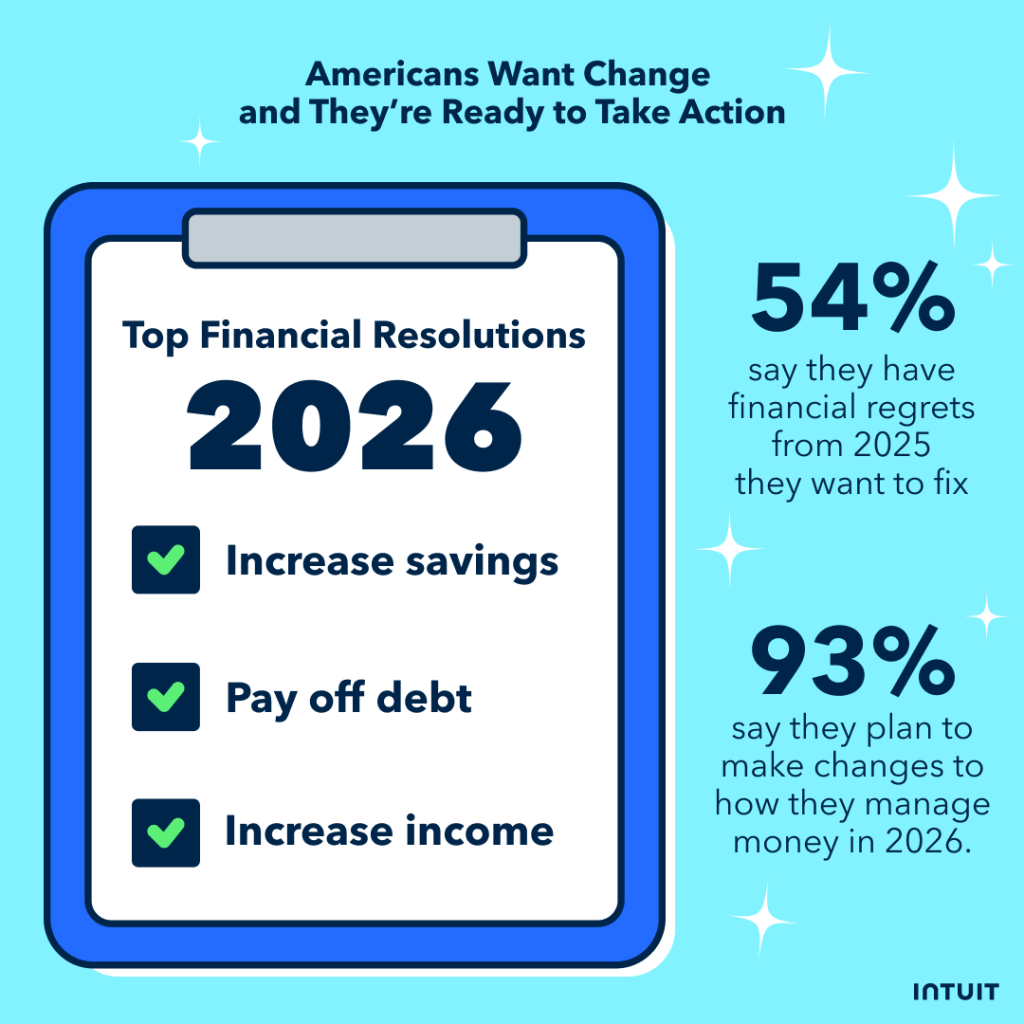
New Year's resolutions come in numerous types, from fitness objectives to performance hacks to bucket-list goals. Do not forget about your finances, either. When it concerns your monetary health, a new year is the ideal time to evaluate where you've been and where you're hoping to go by taking concrete steps and finishing mini-goals along the method.
What Every Regional Borrower Needs to Learn About Reports"Think about it as purchasing your own future. The amount of time you put into preparation will pay dividends in the long run." Here are 6 handy pointers for setting yourself up for financial success in 2026 and beyond. Ignorance isn't bliss, specifically when it comes to your credit report.

Latest Posts

Optimizing Your Money Flow in the 2026 Year

Smart Ways to Manage Rising Prices in 2026
Can Smart Money Habits Improve Your 2026?